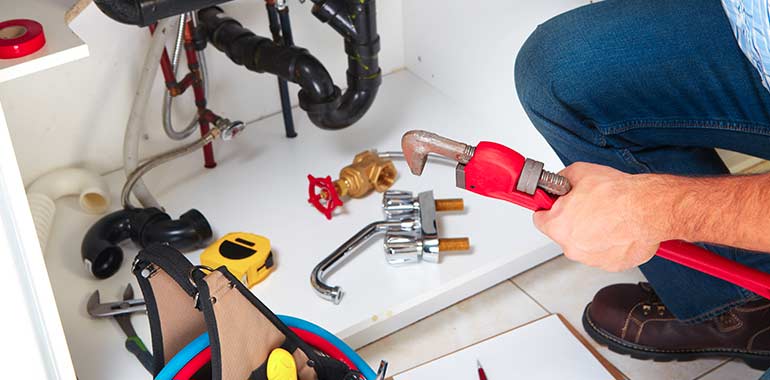
Top 5 DIY Plumbing Fixes Every Homeowner Should Know
As a homeowner, being proactive about maintenance can save you time and money. One of the essential skillsets you should develop is basic plumbing knowledge. Here are the Top 5 DIY Plumbing Fixes Every Homeowner Should Know to handle minor issues before they escalate into costly repairs:
- Unclogging Drains: A clogged sink is a common problem that can often be fixed with a simple mixture of baking soda and vinegar. Pour half a cup of each down the drain, wait for 30 minutes, and then flush it with hot water.
- Fixing Leaky Faucets: Often caused by worn-out washers, a leaky faucet can be repaired by replacing the washer or the entire faucet cartridge.
- Toilet Repairs: If your toilet is running continuously, check the flapper valve. Replacing it is a quick fix that can save water and reduce your utility bill.
- Installing a New Showerhead: Upgrading your showerhead can enhance your water experience. Most models simply screw on and off, requiring no special tools.
- Water Heater Maintenance: Regularly flushing your water heater can help remove sediment buildup and prolong its life. Make sure to perform this at least once a year.
How to Identify and Stop Leaks: A Beginner's Guide
Identifying leaks in your home can save you money and prevent extensive damage. The first step is to inspect your property regularly, focusing on areas where plumbing is present, such as bathrooms, kitchens, and basements. Pay close attention to signs of moisture, such as water stains on walls and ceilings, or damp spots on the floor. Additionally, you can utilize simple techniques like listening for dripping sounds and checking your water meter for unusual changes. If you suspect a leak, turn off all faucets and appliances that use water; if the meter is still running, you likely have a leak somewhere in your plumbing system.
Once you've identified a potential leak, stopping it promptly is crucial. Begin by shutting off the water supply to the affected area to prevent further water damage. Depending on the nature of the leak, you might need to use plumbing repairs like tape or a patch for small leaks, while larger issues may require more extensive repairs or professional assistance. Consider following these simple steps to effectively stop the leak:
- Turn off the water supply.
- Dry the area around the leak.
- Apply a temporary patch if necessary.
- Seek professional help for more serious plumbing issues.
The Essential Tools You Need for Basic Plumbing Repairs
When it comes to basic plumbing repairs, having the right tools at your disposal is crucial. Here are some essential tools that every homeowner should consider having in their toolkit:
- Adjustable Wrench: Perfect for gripping and turning nuts and bolts.
- Plumber's Tape: A must-have for sealing pipe threads and preventing leaks.
- Pipe Wrench: Ideal for loosening and tightening pipes.
- Plunger: An essential tool for clearing clogged drains and toilets.
- Bucket: Useful for catching any water that may spill during repairs.
Investing in these tools not only helps you perform basic plumbing repairs more effectively but also saves you money on hiring professionals for simple issues. Familiarizing yourself with each tool and its specific use will empower you to tackle minor plumbing problems confidently. Remember, maintaining your plumbing system is key, and having the right tools makes all the difference.